Visual intelligence
for infrastructure
Computer vision for damage assessment, crack segmentation and matting, and automated inspection of civil infrastructure.
CIVIL & ENVIRONMENTAL ENGINEERING
Computer vision, physics-informed AI, and engineering agents for construction safety and infrastructure inspection.
SEOUL, SOUTH KOREA
Engineering insight. Computational intelligence.
Scroll to explore YONSEI UNIVERSITY · SMART INFRASTRUCTURE LAB
RESEARCH AREAS
Methods that connect visual observations, physical processes, and engineering knowledge.
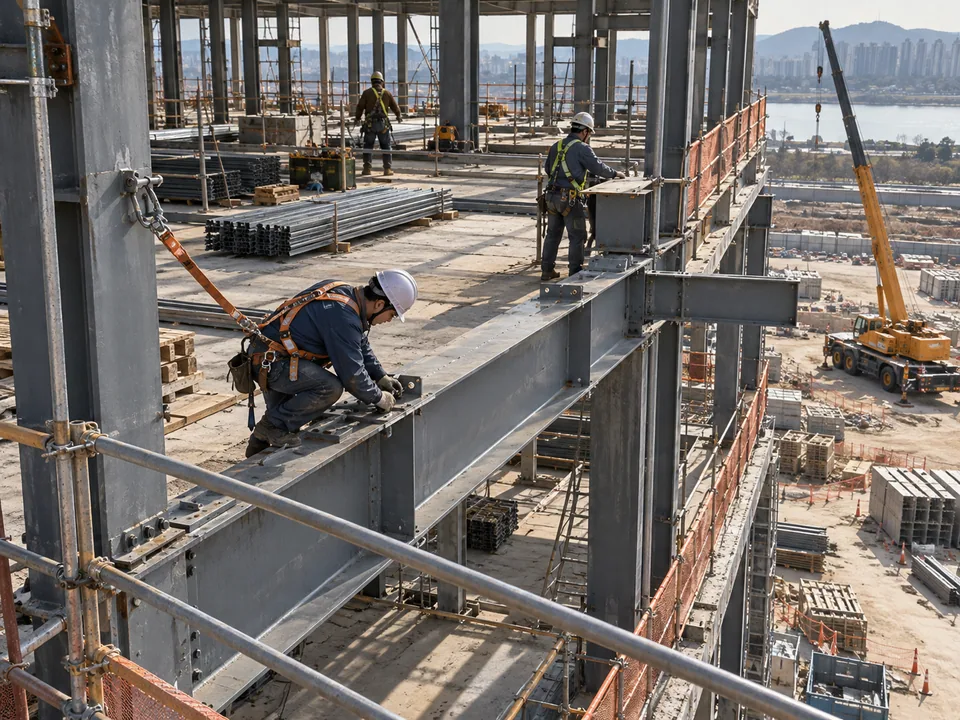
Computer vision for damage assessment, crack segmentation and matting, and automated inspection of civil infrastructure.
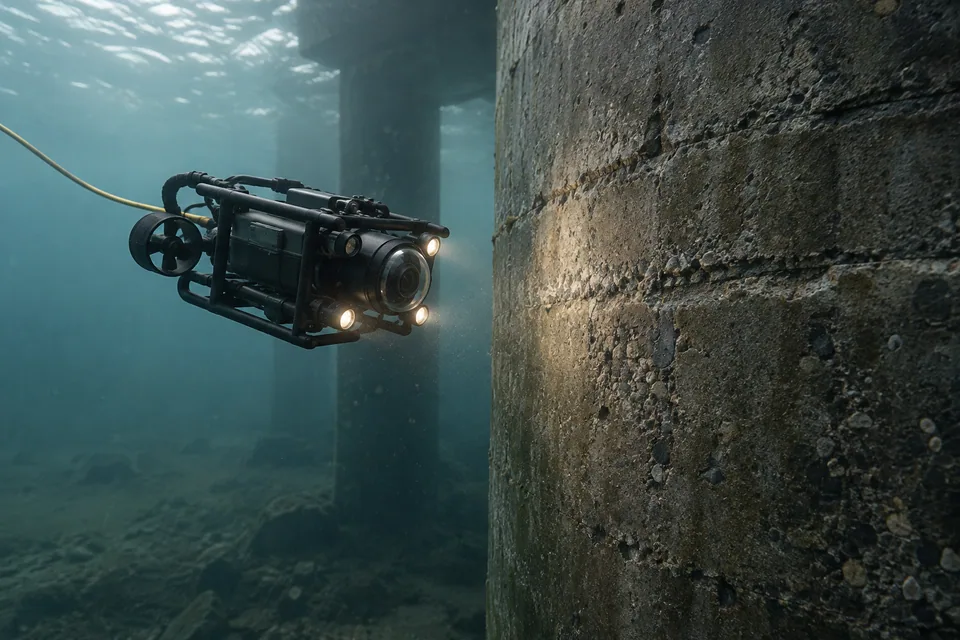
Photogrammetry, image enhancement, and 3D modeling across terrestrial and underwater environments.
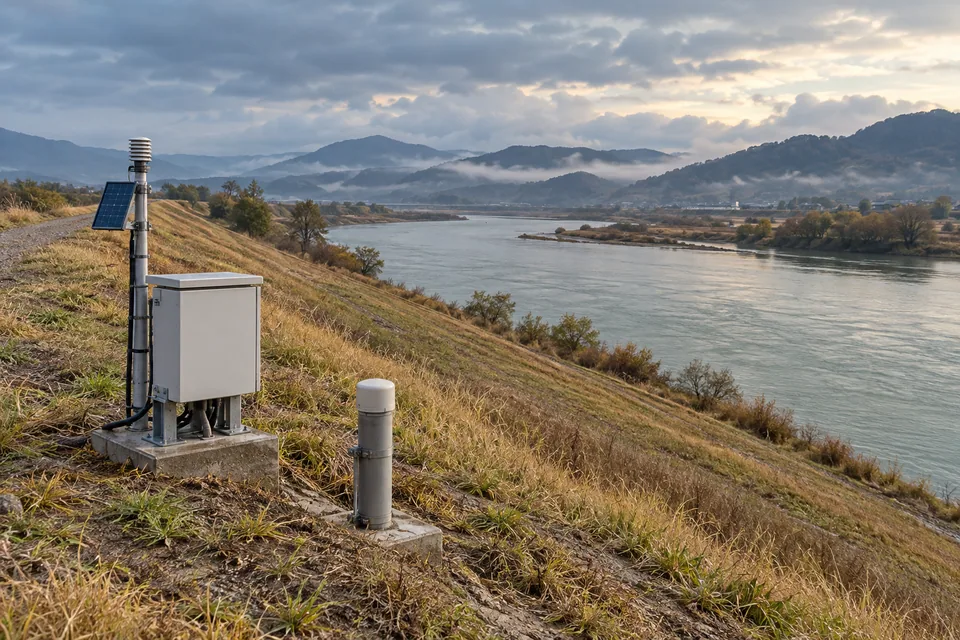
Integrating physical principles with machine learning to reconstruct pore water pressure fields and support embankment failure detection.
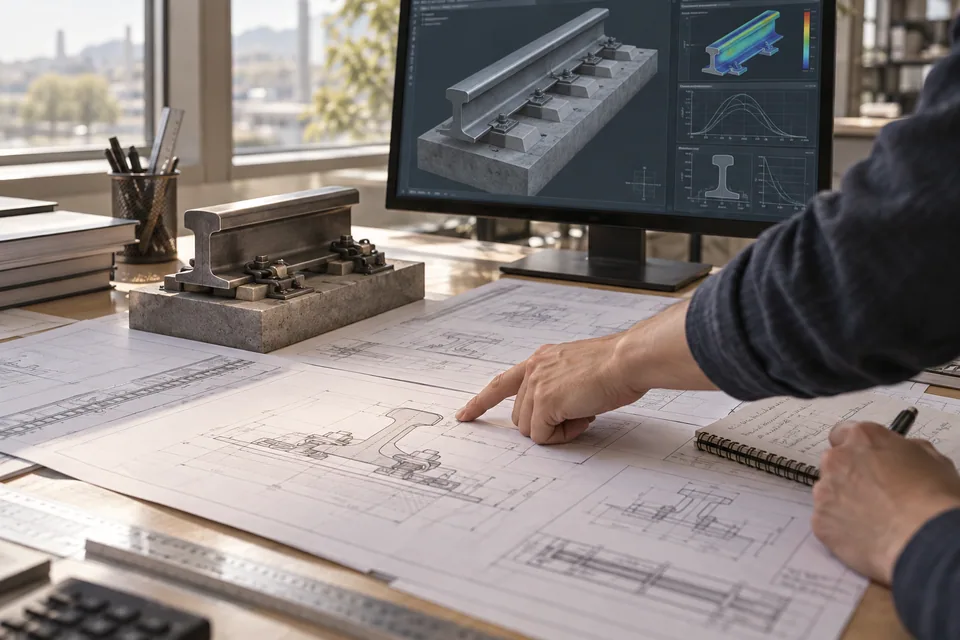
Multimodal models, retrieval-augmented generation, and AI agents for construction safety, engineering documents, and design calculations.
SELECTED PAPERS
01 / Automation in Construction
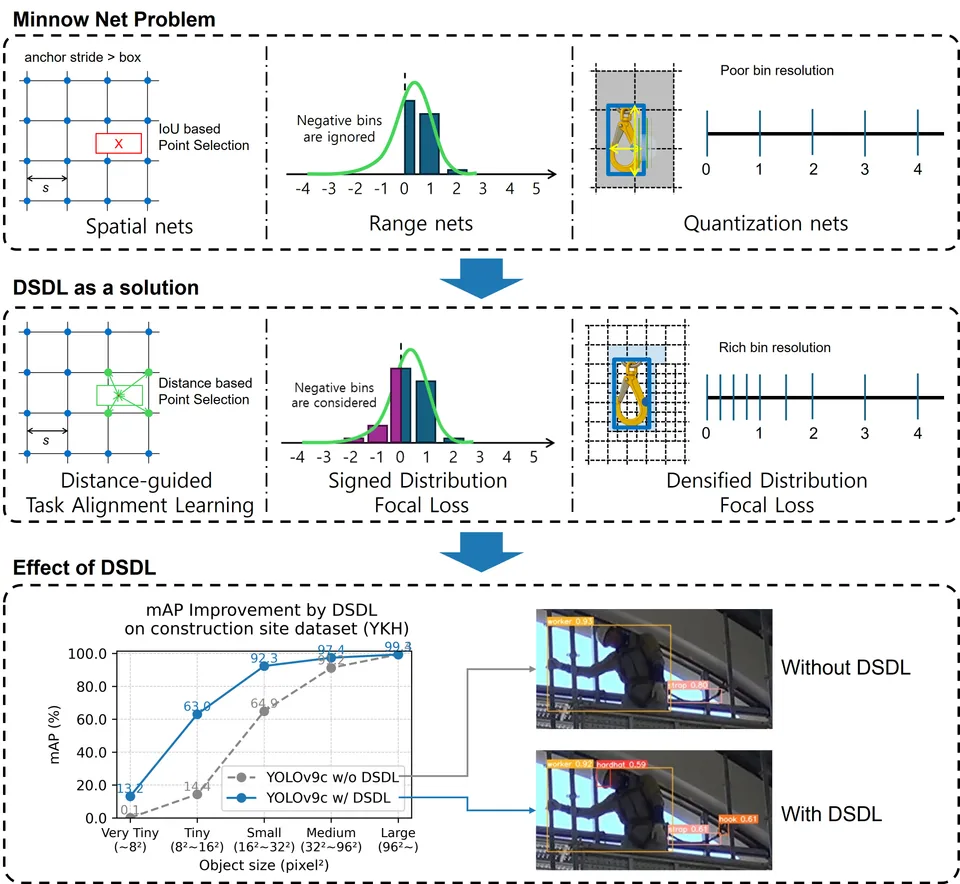
Tiny hooks and straps are easily missed in construction surveillance images.
DSDL improves training assignments and bounding-box regression for tiny objects.
02 / Automation in Construction
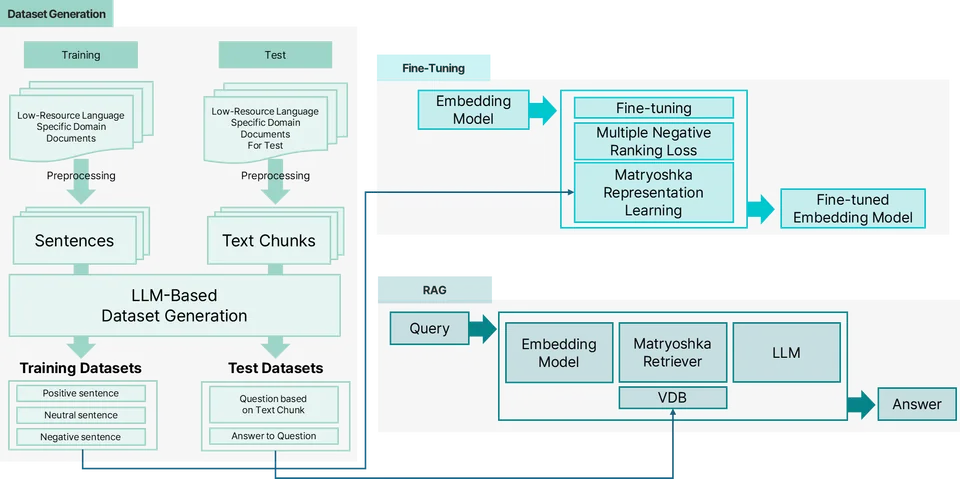
General-purpose retrieval can miss the meaning of specialized Korean construction documents.
Contrastive sentence generation and Matryoshka representations improve domain-specific retrieval.
03 / Automation in Construction
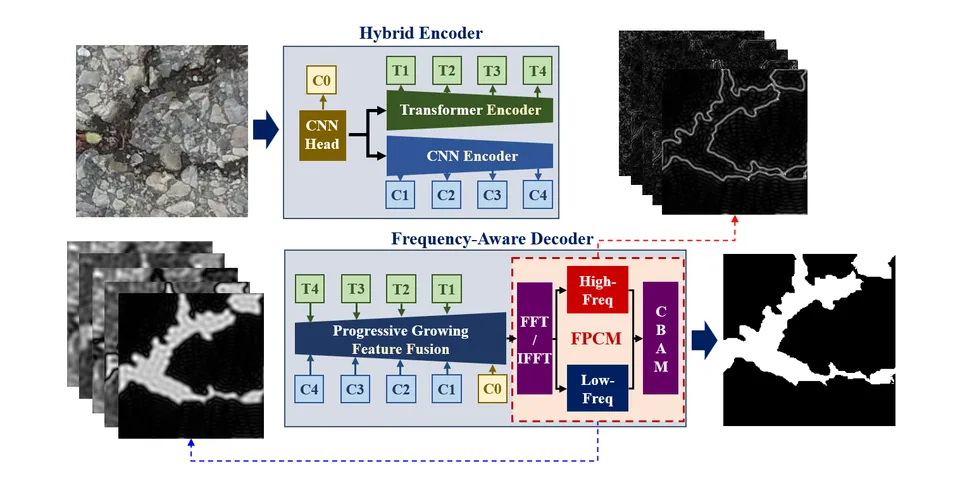
Thin cracks are easily lost or disconnected in segmentation predictions.
FACS-Net and crack topology loss address frequency information and crack connectivity.
04 / Automation in Construction
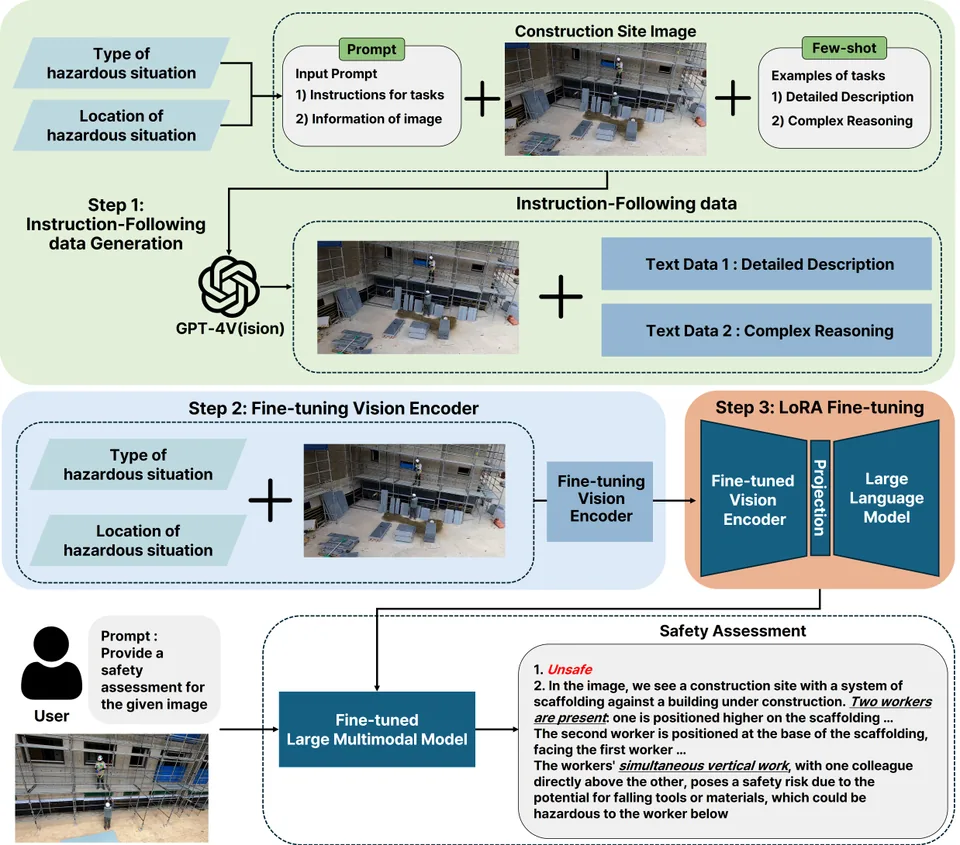
Safety assessment depends on the relationships between workers, equipment, and surroundings.
Large vision-language models are optimized for context-aware construction safety assessment.
VISION & APPROACH
We aspire to be a world-leading research group where ambitious people pursue bold ideas, grow into exceptional researchers and leaders, and shape the future of construction and infrastructure for a better world.
큰 꿈을 품고 세계 최고에 도전하며, 탁월한 연구자와 리더를 길러내어 건설과 인프라의 미래를 통해 더 나은 세상을 만든다.About the lab 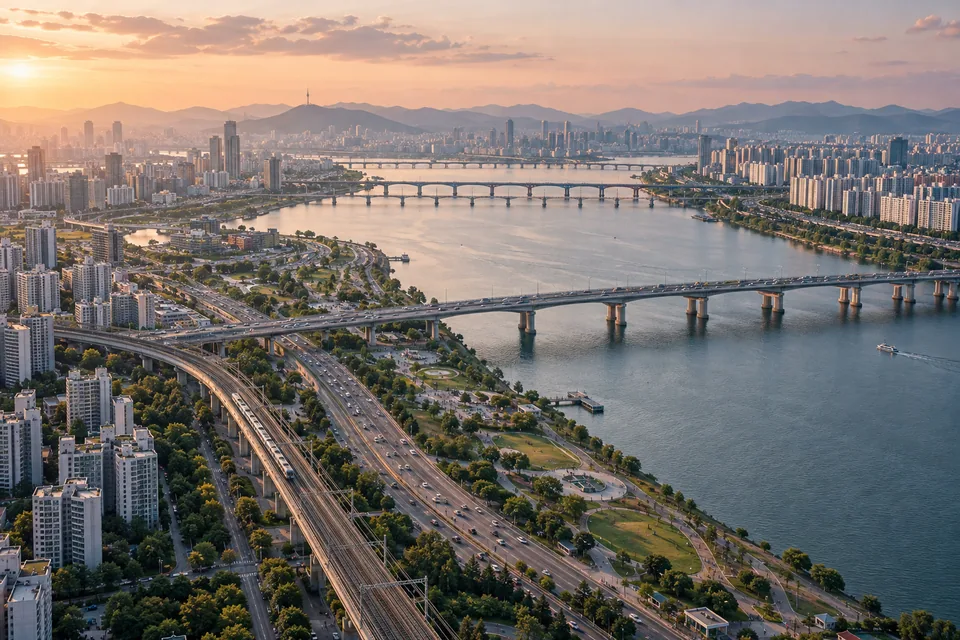
From real-world observations to informed engineering decisions.
Images · 3D geometry · Sensor data
Computer vision · Physics · AI
Safety · Inspection · Maintenance
Aim High. Grow Together. Make It Matter.
People who refuse to settle, strive to become better versions of themselves, and continually challenge themselves to pursue big dreams and ambitious goals.
People who contribute to the growth of those around them as well as their own, helping one another reach greater heights together.
People who look beyond personal success, use their knowledge and abilities to serve people and society, and seek to contribute to the common good and a better world.
LIFE AT THE LAB
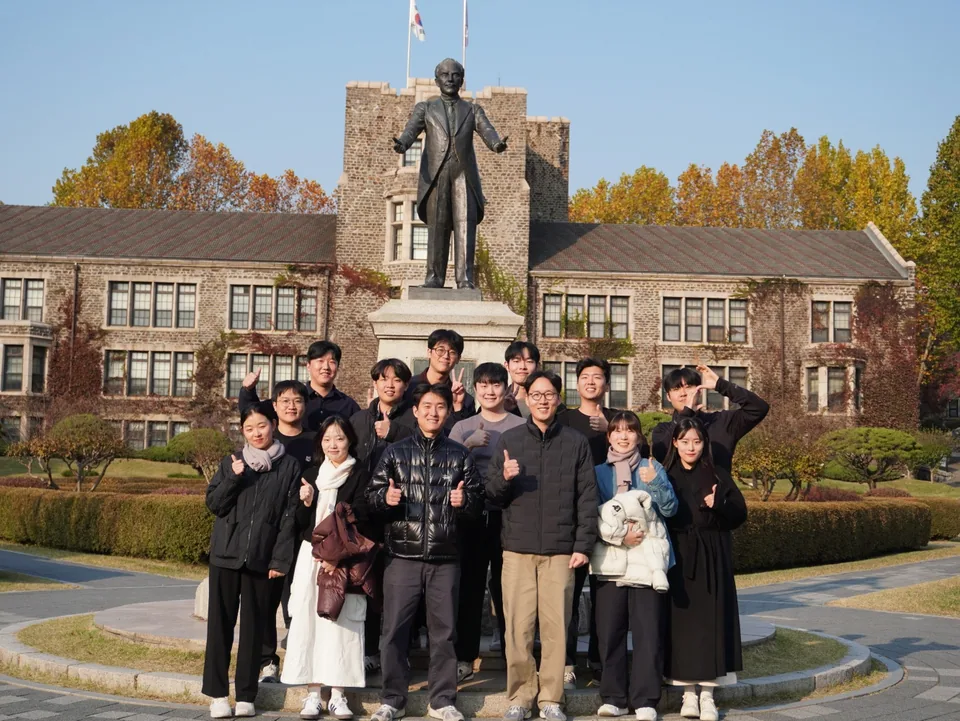 People
 Undergraduate courses: Artificial Intelligence for Civil and Environmental Engineering, and Engineering Information Processing.
Seokhwan Kim, Taegeon Kim, Kichang Choi, Siheon Joo, Hongjo Kim's paper 'Tiny object detection using Distance-guided, Signed, and Densified Learning (DSDL) for construction site safety monitoring' has been published in 'Automation in Construction'.
Prof. Hongjo Kim has been promoted to Associate Professor at the Department of Civil and Environmental Engineering, Yonsei University.
CONTACT
For research collaboration and graduate research inquiries, contact Professor Hongjo Kim.
Department of Civil & Environmental Engineering · Yonsei University · Seoul, South Korea